Direct Combustion
Direct burning fully oxidises biomass to produce heat. It can generate particulate, NOx, CO and carbon-dioxide emissions, provides limited control and is comparatively inefficient for power-only generation.
A simple, reliable route from solid biomass to clean, controllable producer gas—with the potential to reduce conventional fuel costs by over 50%.
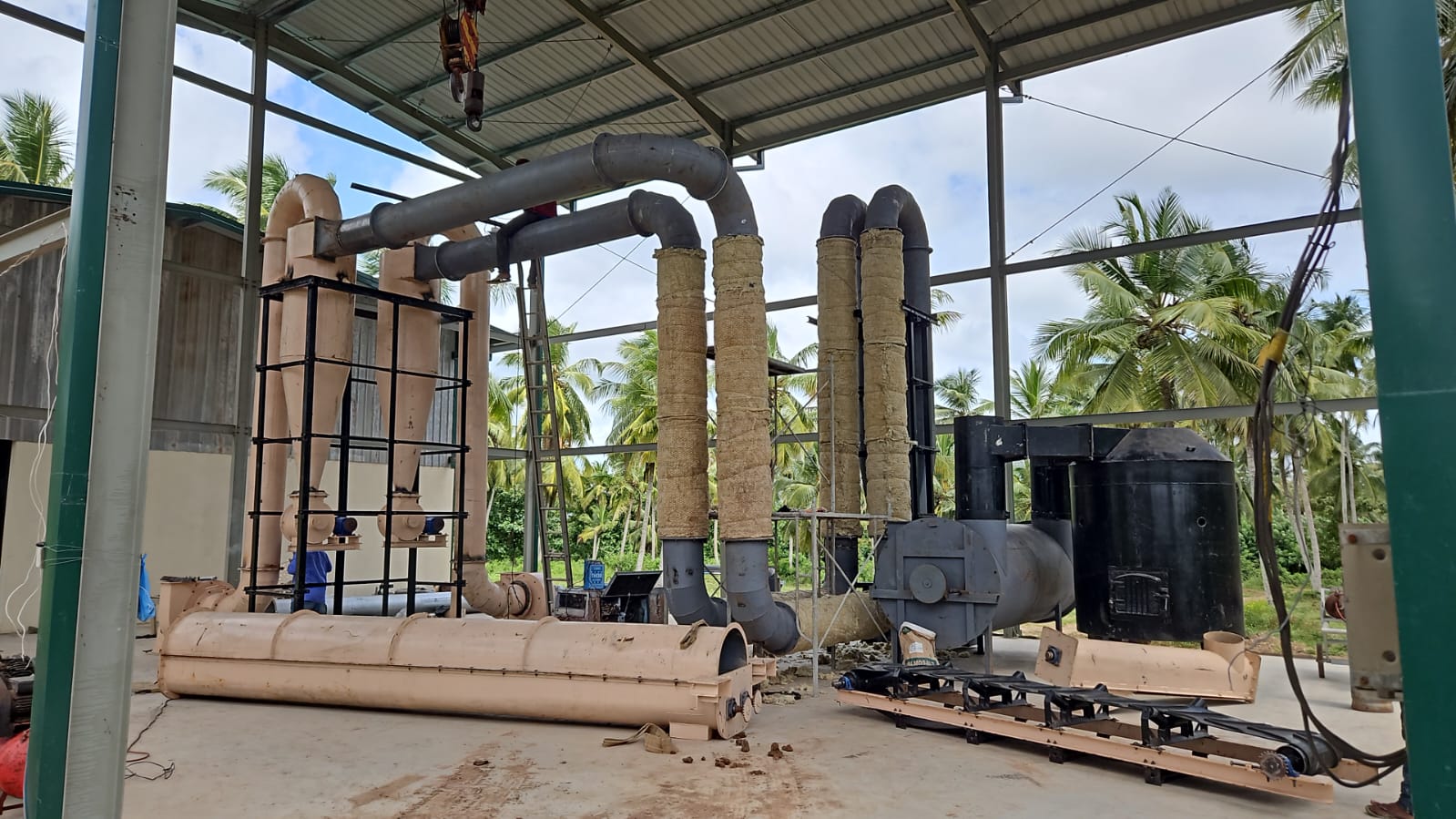 Clean biomass conversion
The gasifier is a chemical reactor in which pyrolysis, controlled combustion and reduction convert solid biomass into combustible producer gas.
The gasifier can be isolated from the combustion system and producer gas piped to ovens or furnaces. Fuel handling and ash removal can therefore remain away from the working area.
Producer gas can replace furnace oil, LDO, diesel, LPG or CNG in specially designed burners without changing the process temperature profile or plant cleanliness.
Direct burning fully oxidises biomass to produce heat. It can generate particulate, NOx, CO and carbon-dioxide emissions, provides limited control and is comparatively inefficient for power-only generation.
Gasification reacts carbonaceous material above 700°C with a controlled quantity of air or oxygen, producing a flexible gaseous fuel that burns cleanly and can be controlled like conventional liquid or gas fuel.
Typical calorific value: 1,000–1,200 kcal/m³.
Each stage occurs in a distinct zone as biomass travels through the reactor.
At 150–200°C, heat from lower zones evaporates moisture from the feedstock.
At 400–650°C, cellulose and lignin break down into hydrocarbons and char.
Injected air supports heat-releasing reactions at 900–1,200°C and destroys a substantial portion of tar.
Endothermic reactions form the final producer gas, which exits at approximately 250–500°C.
Unique features make Infinite gasifiers a strong solution for industrial heat and power.
Easy loading and automated start control help the fire build quickly and efficiently.
Clean gas reduces heat-exchanger maintenance and supports direct-fired heating and drying.
Typical particulate levels below 50 mg/m³ may reduce downstream pollution-control needs, depending on fuel.
Purpose-engineered reactor geometry delivers high conversion efficiency on selected models.
No water-based gas cleaning means no sticky tar-contaminated cooling effluent to handle.
Optional fine filtration cleans hot gas up to 600°C with over 96% efficiency for particles above 10 microns.
A typical 600 kWth complete system occupies about 20 × 20 ft, excluding fuel storage.
Output can reduce to approximately one-third of maximum capacity while remaining stable.
Reach 75% capacity within 30 minutes of cold start; typical shutdown is under 15 minutes.
Standby operation handles low-load periods and enables a rapid return to full capacity.
Simple equipment, fewer moving parts and lower gas velocities reduce maintenance demand.
User-friendly controls manage gasification and regulate supply safely to burners or engines.
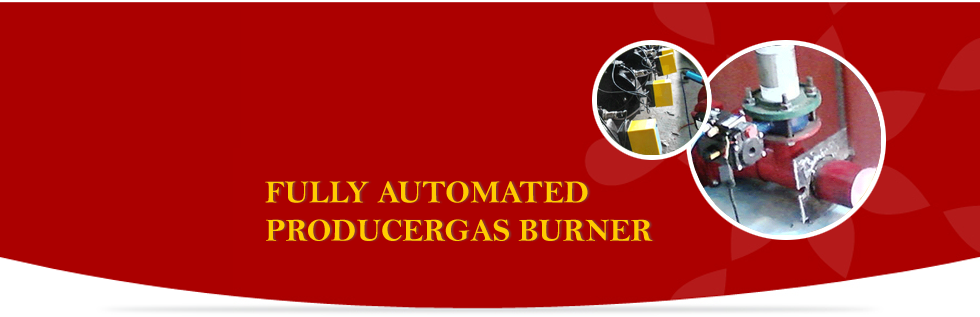
Regulates gas generation to match demand, preventing excess pressure or insufficient heat and reducing flaring.
Helps prevent filter choking and dust carry-over.
Automatically adjusts gas generation and fuel consumption to the thermal load.